User Experience Guidelines - Android
This guide aims to help developers optimize the user experience and functionality of video conferencing applications with VideoSDK. By following these best practices, you can minimize common issues for your users.
Here are our recommended best practices to enhance the user experience in your application:
| Section | Description |
|---|---|
| Configure Precall Before Joining | Users may enter rooms unprepared due to device or connection issues. A Precall setup can help them configure devices and settings beforehand. |
| Monitor Key Events for Optimal User Experience | Users can feel lost without real-time updates on room status, events, and errors. Event monitoring and notifications keep them informed and engaged. |
| Handling Media Devices | Users may want to change their audio or video setup mid-call but struggle to manage device controls. Providing easy device switching enhances control and flexibility. |
| Monitoring Real-Time Participant Statistics | Poor video or audio quality without real-time feedback leaves users frustrated. Real-time stats let them assess connection quality and troubleshoot issues actively. |
Configure Precall Before Joining
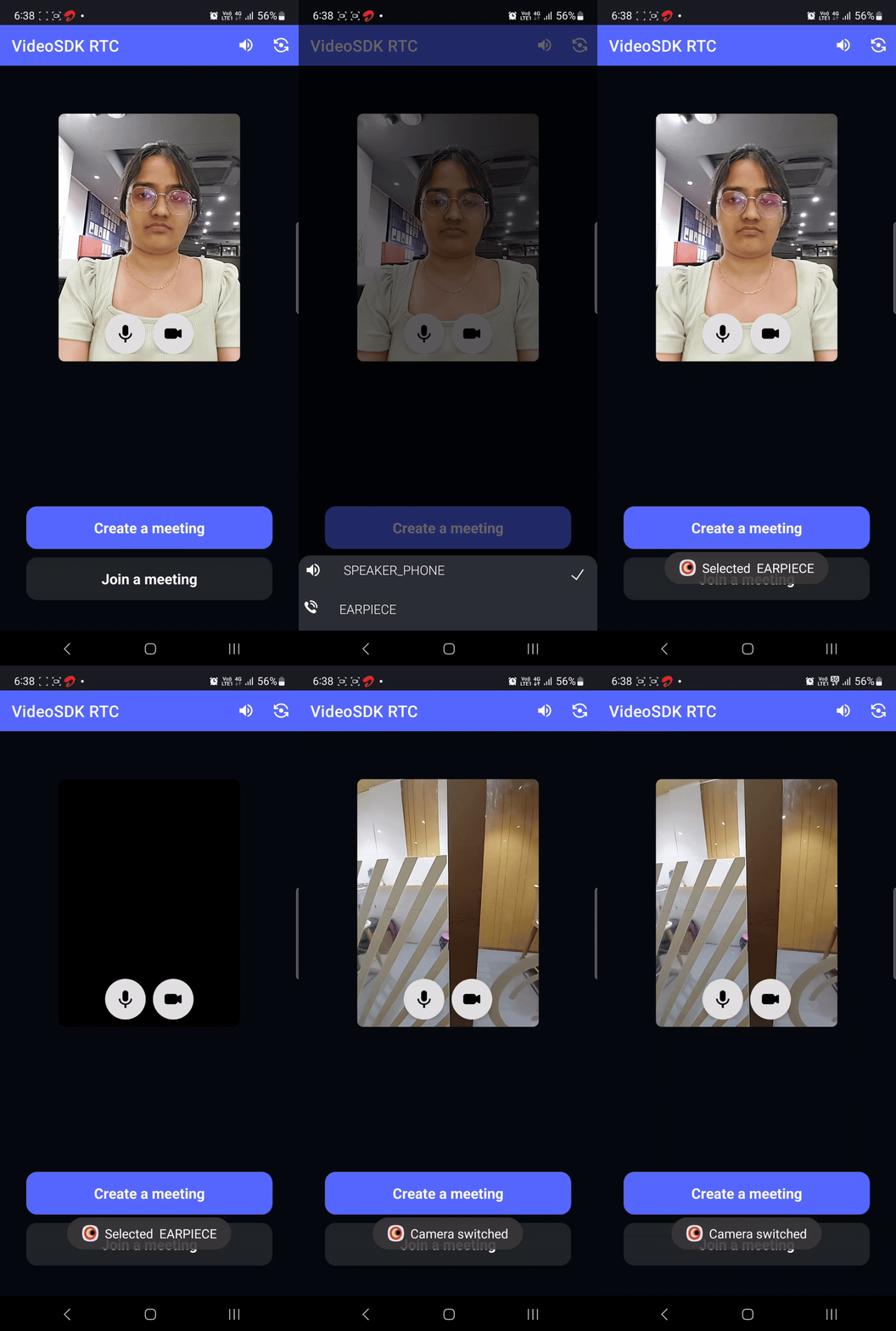
A Precall step is crucial for ensuring users are set up correctly and have no device issues before joining a room. This step allows users to configure their devices and settings before entering a room, so fewer technical issues come up once the call begins.
Recommended Practices:
Request Permissions: Prompt users to grant microphone and camera permissions before entering the room.Device Selection: Allow users to select their preferred camera and microphone, giving them control over their setup from the start.Entry Preferences: Provide options to join with the microphone and camera either on or off, letting users choose their level of engagement upon entry.Camera Preview: Show a live camera preview, allowing users to adjust angles and lighting to ensure they appear clearly and professionally.Camera Effects: Allow users to turn on camera effects, such as low-light correction or a color grade, before they join, helping them appear more polished. See Video Effects. Effects run only on devices that support them.Network Check: Run a pre-call test withrunPreCallTest()before you callcreateRoom(). It checks the camera and microphone and scores the network, so you can warn users about a poor connection before they join. Pass your preview track asvideoTrackinPreCallTestOptions, or the test opens the camera itself and ends your preview.
For detailed setup instructions on each of these features, check out our in-depth documentation here.
Monitor Key Events for Optimal User Experience
Listening for crucial events is vital for providing users with a responsive and engaging experience in your application. By effectively managing state changes and user notifications, you can keep participants informed and enhance their overall experience in the room.
Recommended Practices:
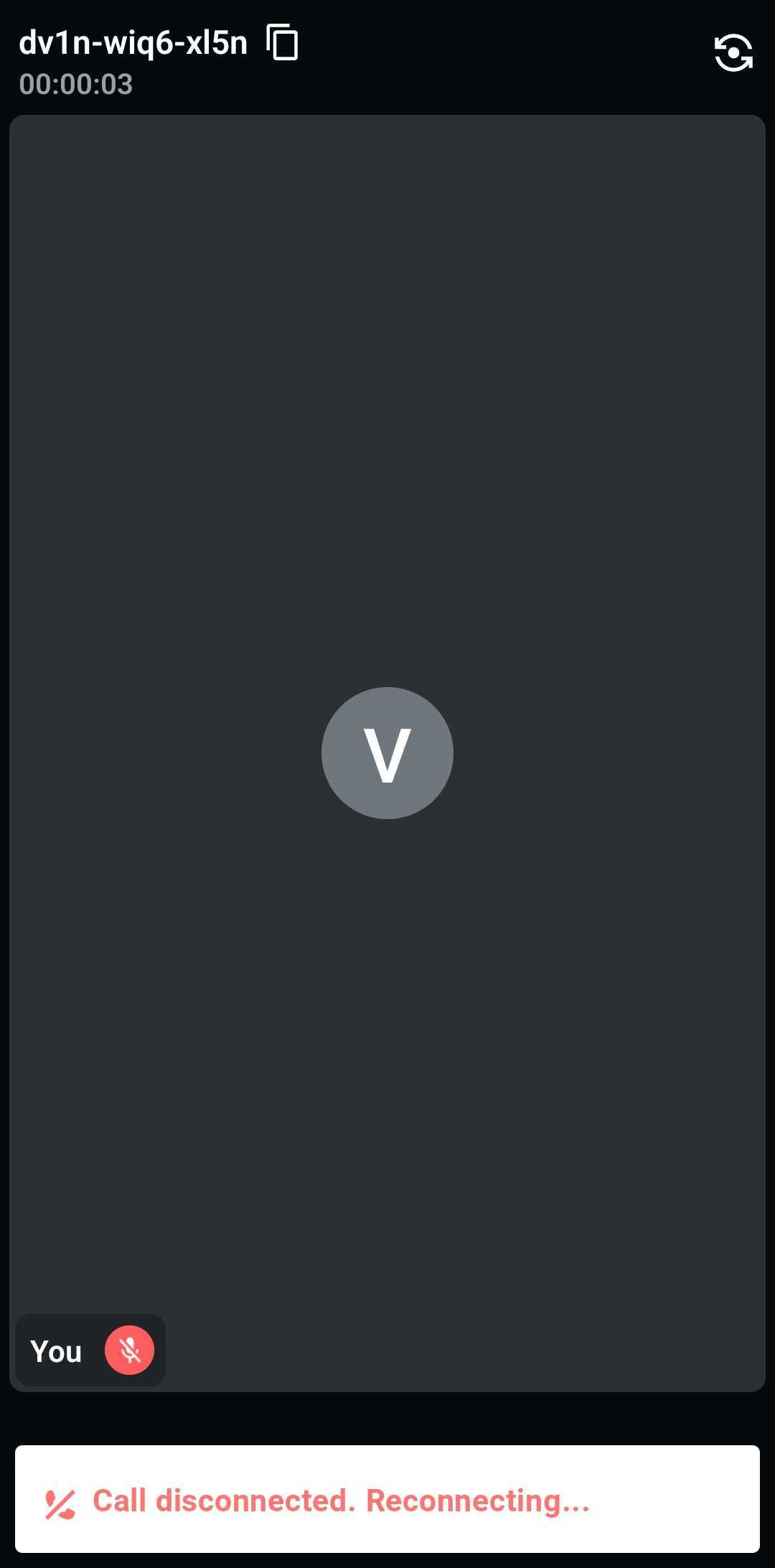
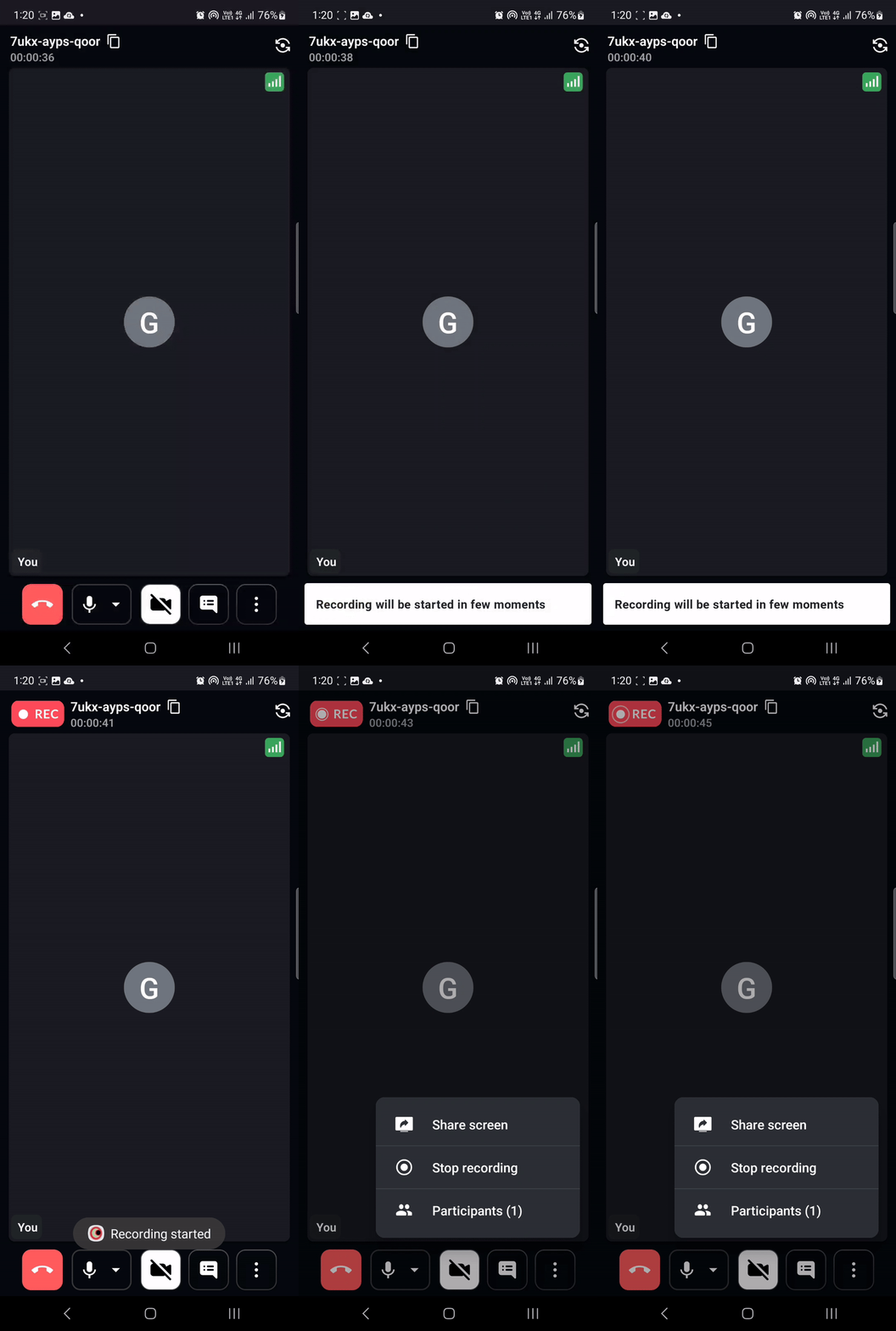
Monitor State Change Events: Listen for state change events, such asonRoomStateChangedandonRecordingStateChanged, and notify users promptly about these transitions. Keeping users informed helps them understand the current state of the room.
UI Handling on Event Trigger: Update the user interface only in response to specific events. For instance, display that the room is being recorded only when theonRecordingStateChangedevent reportsRecordingState.RECORDING_STARTED, rather than when the record button is clicked.room.recordingStatealways holds the latest state. This ensures users receive accurate and timely updates.
Notify Participants of Join/Leave Events: Keep users informed about participant activity by notifying them when someone joins or leaves the room. This fosters a sense of presence and awareness of who is currently available to engage.Listen for Error Events: It is crucial to monitor error events and notify users promptly when issues arise. Clear communication about errors can help users troubleshoot and address problems quickly, minimizing disruptions to the room.
Handling Media Devices
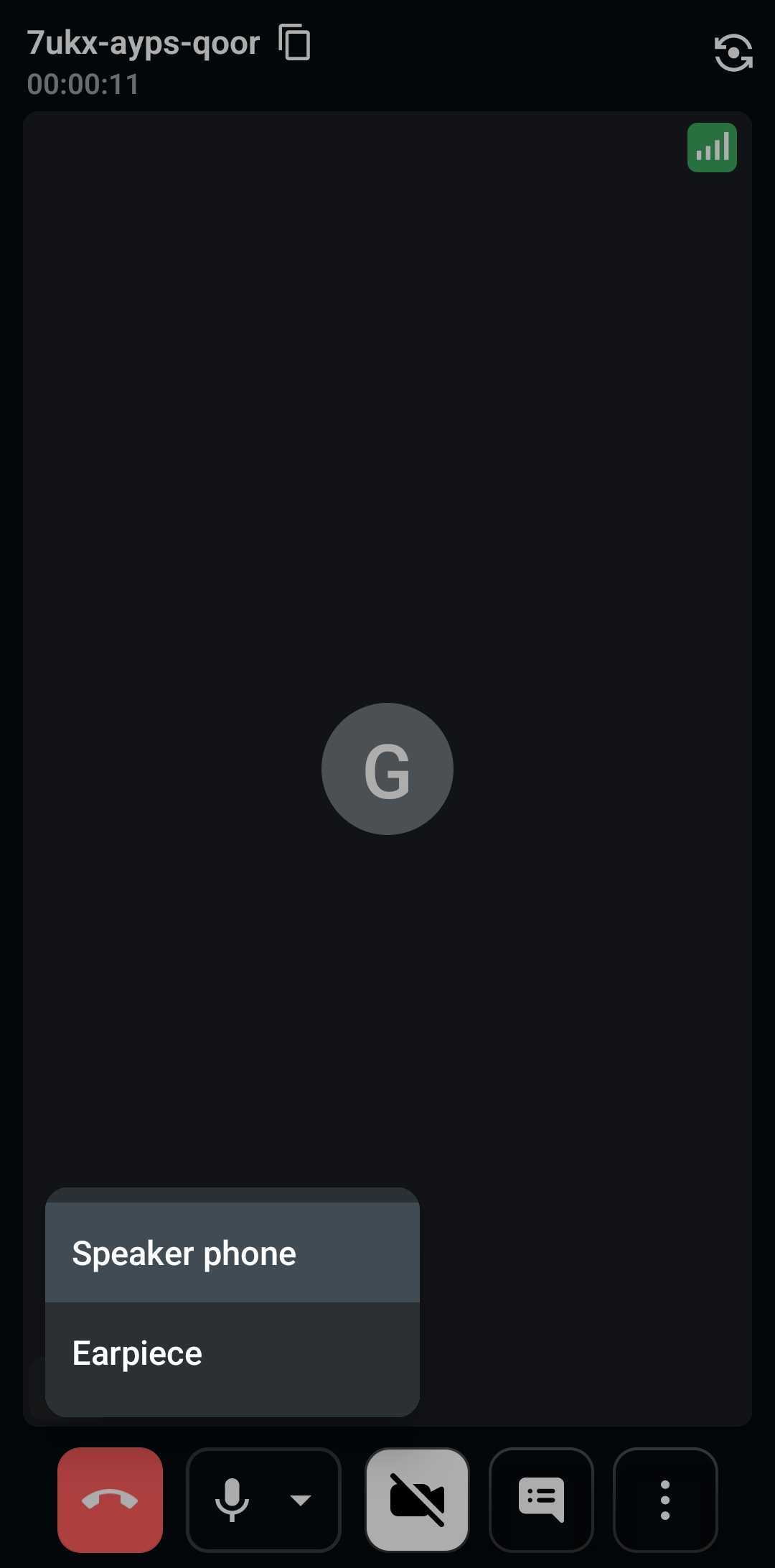
Let participants choose their camera, microphone and speaker. Proper device management within the UI also helps users stay informed about their current settings and troubleshoot issues effectively.
Recommended Practices:
Allow Device Switching: Provide users with the option to switch between available microphone and camera devices while in the room. This flexibility is essential, especially if users want to adjust their setup mid-call. When the camera or microphone is on,changeCam()andchangeMic()turn it off and on again on the new device, soonStreamDisabled()and thenonStreamEnabled()fire for everyone. Don't announce that pair as the user turning the device off.Display Selected Devices: Ensure the UI shows users which microphone and camera devices are currently selected. Clear device labeling in the interface can reduce confusion and help users verify their setup at a glance.
Monitoring Real-Time Participant Statistics
Providing real-time insights into stream quality allows participants to monitor and optimize their connection for the best experience. With detailed metrics on video, audio, and screen sharing, users can assess and troubleshoot quality issues. To display these statistics, you can use the getVideoStats(), getAudioStats(), and getShareStats() methods.
getVideoStats() returns a JSONArray of entries, while getAudioStats() and getShareStats() return a single JSONObject. Each returns null when there is no such stream or the stats can't be read, so check the value before you read it. Updating the stats dialog about once a second is enough.
Got a Question?  Ask us on discord

